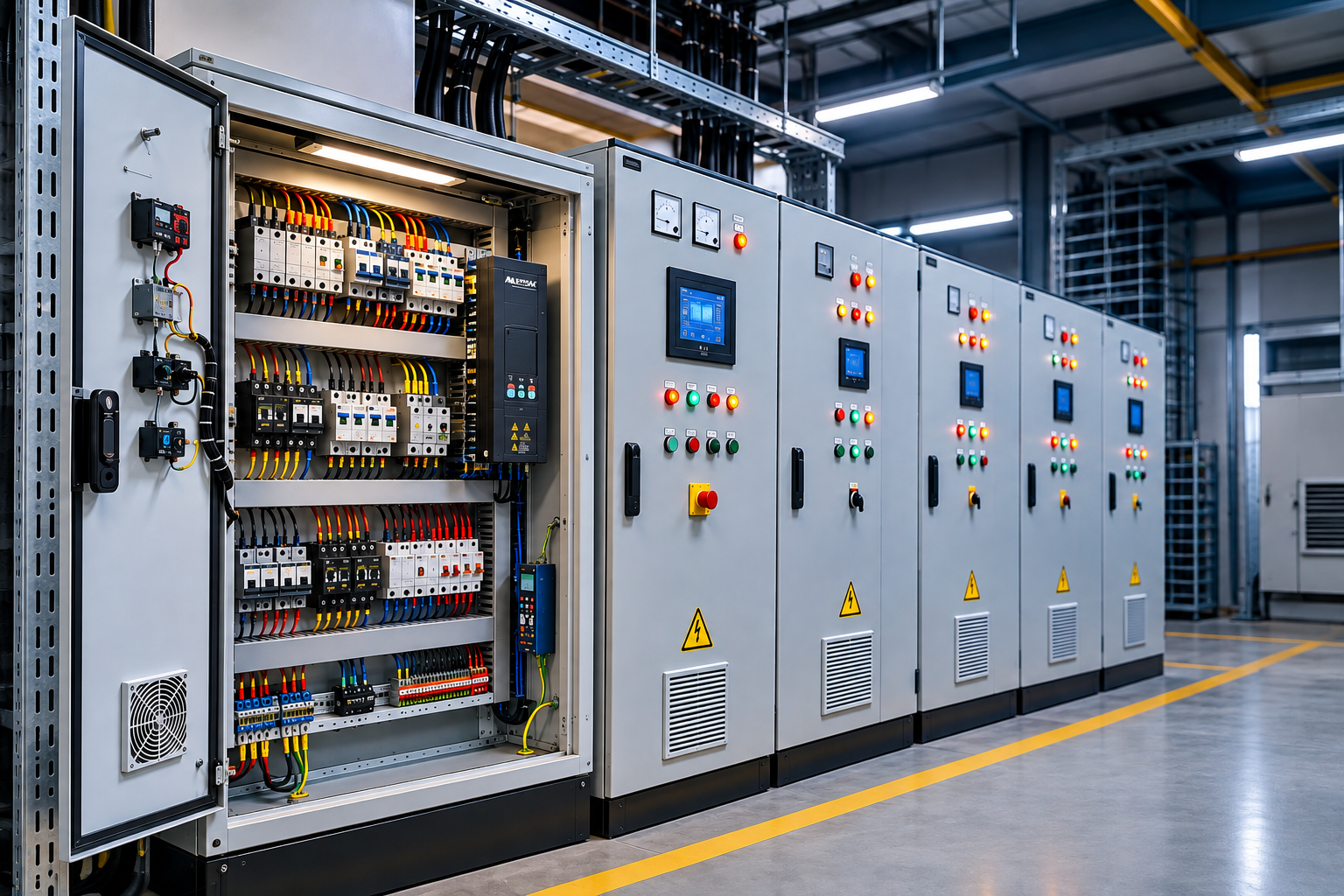
Circuit breakers and protective devices disconnect power when conditions become unsafe or exceed their rating. A trip is a warning to investigate, not something to bypass.
What a trip may indicate
Possible causes include overloaded circuits, a faulty appliance, damaged wiring, short-circuit current, earth leakage, moisture or deteriorated insulation. The actual cause depends on the circuit and protection installed.
Notice the pattern safely
Record which equipment was operating, whether the trip was immediate or delayed, and whether there was an unusual smell, sound or visible damage. Do not open the panel to investigate.
Do not keep resetting it
If the device trips again, or you notice burning smells, buzzing, smoke, sparks, a hot switchboard or electric shock, keep clear and seek qualified help. If there is smoke or fire, evacuate and contact emergency services.
Never bypass protection
Do not hold a breaker on, bridge a protective device or increase its rating without a proper design assessment. Protection must match the cable, circuit and fault conditions.
What an electrician may check
A qualified electrician may inspect loads and connections, test insulation and earth continuity, verify device selection and measure current using appropriate tools and safe isolation procedures.