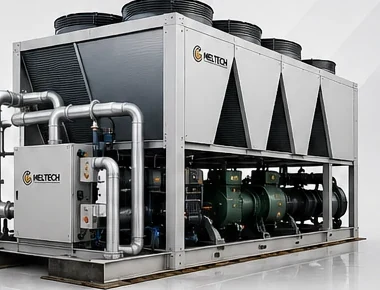
A cold room depends on the room envelope, door, evaporator, condenser, controls and operating habits working together. Small issues can increase run time and put stored products at risk.
Check the door and seals
Look for damaged gaskets, doors that do not close fully and visible gaps. Limit the time the door remains open during loading. Warm, moist air entering the room increases the refrigeration load.
Keep airflow paths clear
Avoid stacking goods against evaporator fans or air returns. Leave circulation space around products and follow the equipment's loading guidance. Poor airflow can create uneven temperatures.
Track temperature trends
Record readings at consistent times and compare them with the required storage range. Note recovery time after loading and whether alarms occur at particular times. Trends often reveal more than a single reading.
Keep the condenser area clear
Condenser coils need airflow to release heat. Keep surrounding space clear and arrange professional cleaning when dust, grease or lint accumulates. Maintenance inside equipment should follow safe isolation procedures.
Respond to warning signs
Repeated alarms, long run times, unusual ice, water leaks or unexplained temperature swings need investigation. Do not lower the setpoint simply to mask a problem or chip ice from coils.